
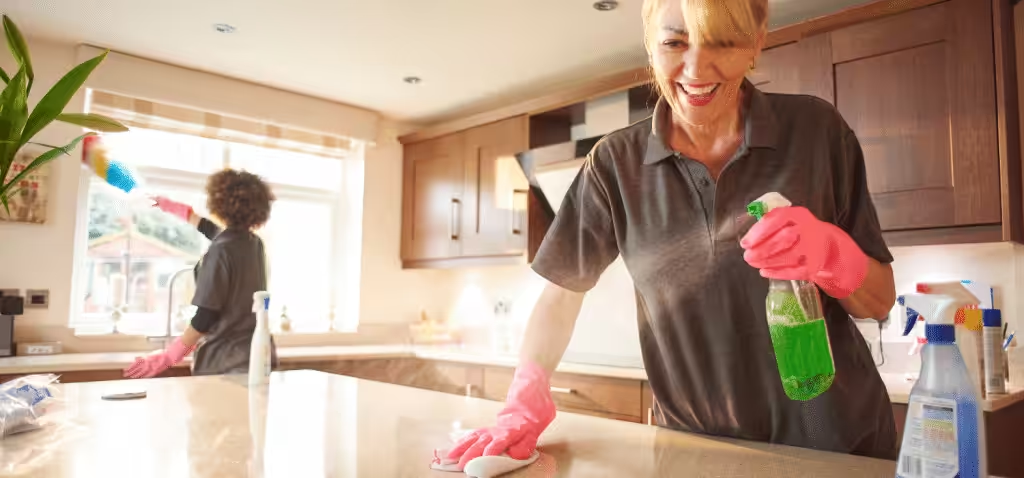
What Homeowners Should Know About Cleaning Myths
Many cleaning habits feel automatic, passed down through experience or picked up over time. But not all of these habits actually lead to better results.
Small misconceptions can quietly shape routines, making tasks take longer or feel less effective. Understanding these myths helps homeowners build smarter, more consistent habits.
Signs Your Routine May Be Based on a Myth
It’s not always obvious when a routine isn’t working as well as it could. Many homeowners continue certain habits simply because they’ve always done them that way.
Over time, these patterns can lead to repeated effort without noticeable improvement. Recognizing the signs is often the first step toward change.
Common indicators to watch for
- Surfaces look clean but feel sticky or dull
- Tasks need to be repeated frequently
- Cleaning takes longer than expected
- Results don’t last very long
These signs often point to methods that aren’t as effective as they seem.
Common Misunderstandings That Affect Results
Some of the most common recurring cleaning myths revolve around speed and quantity. Doing more or using more product is often assumed to produce better outcomes.
In reality, these habits can lead to buildup, streaking, or uneven results. Small misunderstandings can affect the overall quality of a routine.
Frequently misunderstood habits
- Using extra product for stronger results
- Cleaning too quickly without proper technique
- Skipping steps in a routine
- Relying on visual cleanliness alone
Adjusting these habits can make routines feel more manageable and effective.
Practical Cleaning Adjustments That Make a Difference
Improving results often comes down to refining how tasks are done rather than increasing effort. Simple changes can create a noticeable difference over time.
Focusing on consistency and proper technique helps homeowners get better outcomes without adding extra work.
Simple strategies to improve results
- Allow products time to break down buildup
- Use tools designed for specific surfaces
- Follow a consistent cleaning order
- Avoid overusing cleaning solutions
For homeowners aiming to stay consistent, following a structured routine like a recurring home upkeep plan can help maintain balance without overcomplicating daily tasks.
Preventive Habits That Support Long-Term Results
Prevention is often more effective than correction. Small, regular habits can stop buildup from forming in the first place.
When routines are consistent, cleaning becomes less about fixing problems and more about maintaining a steady level of cleanliness.
Habits that help maintain results
- Wiping surfaces regularly before buildup forms
- Addressing spills and messes quickly
- Keeping cleaning tools accessible
- Following a predictable schedule
These habits reduce the need for repeated effort and help maintain a comfortable home environment.
Frequently Asked Questions
What is a common cleaning myth homeowners believe?
Many believe that using more products leads to better results, but it can actually leave residue behind.
Why do cleaning myths stick around?
They are often passed down through habits or shared without proper context.
How can I tell if my cleaning routine is effective?
Consistent results that last longer usually indicate an effective routine.
Is cleaning more often always better?
Not necessarily, as proper technique and consistency matter just as much.
Do cleaning products work instantly?
Most require a short amount of time to properly break down dirt and buildup.
Can I use the same method for every surface?
Different surfaces often require specific tools and approaches for best results.
What is the easiest way to improve a routine?
Focus on small adjustments and consistent habits rather than increasing effort.
Should cleaning routines change over time?
Yes, adapting based on results helps maintain efficiency and effectiveness.
Conclusion
Cleaning myths can quietly make everyday tasks take longer and deliver less. Small adjustments in technique, order, and consistency usually make the biggest difference. When you’d rather have that consistency handled for you, Tailored Home Solutions, LLC provides house cleaning services in Northern Kentucky from our home base in Fort Thomas, with background-checked, insured, and bonded cleaners who follow a plan tailored to your home. Request your free quote today.
We invite you to read these related articles:
- The Standard House Cleaning Protocol: What’s Included
- What Is the Best Way to Maintain a Consistently Clean Home?
- Cleaning on a Dime: Budget-Friendly Hacks for Every Room
Find directions to our Fort Thomas office and see what Northern Kentucky homeowners are saying on our Google Business Profile.